Navigating Challenges in Peer Support
"Peer support is powerful precisely because it comes from people who truly understand. But like any meaningful relationship, it requires honesty, boundaries, and mutual respect."
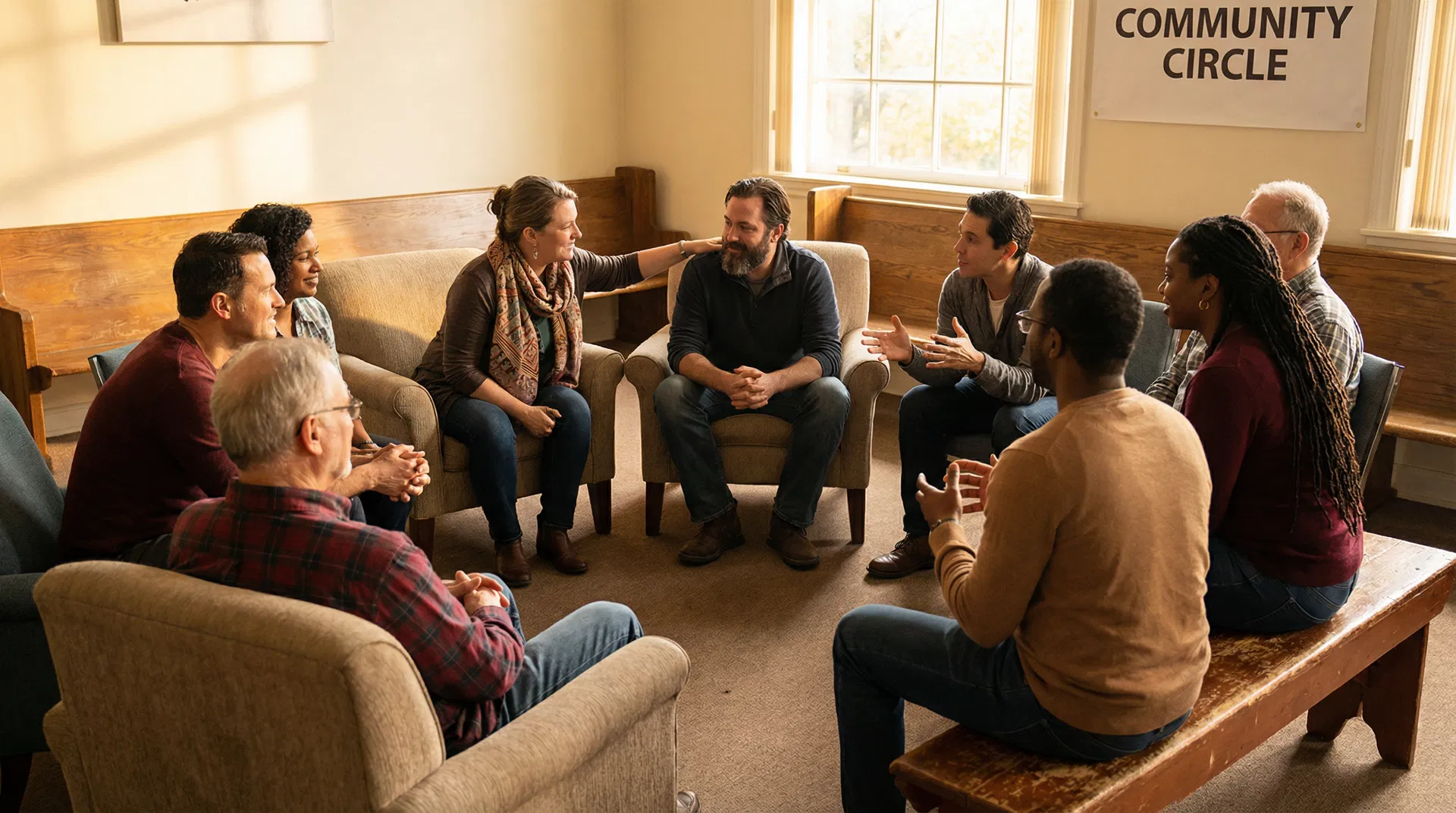
Peer support—connecting with others who have experienced addiction and recovery—is one of the most valuable resources available to people in recovery. There is something uniquely healing about sitting in a room with people who understand what you are going through, who have felt the same fears and shame, and who have found their way to sobriety. Peer support can take many forms: 12-step meetings, SMART Recovery groups, online communities, or informal friendships with others in recovery.
Yet peer support is not without its challenges. One common challenge is the temptation to compare your recovery to someone else's. You might meet someone who has been sober for ten years and feel discouraged about your own early recovery. Or you might meet someone who has relapsed and feel terrified that the same thing will happen to you. Remembering that everyone's recovery journey is unique and that progress is not linear can help you stay focused on your own path.
Another challenge is the risk of becoming too dependent on peer support relationships. While connection is vital, your recovery ultimately depends on your own commitment and effort. If you find yourself unable to make decisions without consulting your peer support group, or if you are spending so much time in recovery activities that you are neglecting other important areas of your life, it may be time to reassess your balance.
Confidentiality and trust are essential in peer support, but they can sometimes be complicated. You need to feel safe sharing your struggles without worrying that your information will be spread throughout the community. At the same time, you need to be cautious about sharing too much too soon with people you do not yet know well. Building trust takes time, and it is okay to share gradually.
Sponsorship or accountability partnerships can be incredibly valuable, but they also require clear boundaries and mutual respect. A good sponsor or accountability partner is someone who has what you want (stable recovery, peace of mind, a life worth living), who is willing to share their experience and wisdom, and who respects your autonomy and decision-making. If you feel controlled, manipulated, or uncomfortable with your sponsor, it is okay to find someone else.
One of the most important challenges in peer support is recognizing when someone else's recovery is triggering your own. If you are in a group with someone who is actively using, frequently relapsing, or sharing graphic details of their addiction, you have the right to step back or find a different group. Your recovery comes first, and protecting your sobriety sometimes means setting limits on your involvement with others.
Peer support works best when combined with professional treatment. While peer support provides understanding and community, a therapist or counselor provides clinical expertise, diagnosis, and treatment planning. Some people thrive in 12-step programs; others prefer secular recovery groups; others work primarily with a therapist. The key is finding what works for you.
Finally, remember that peer support is a two-way street. As you progress in your recovery, you will have the opportunity to support others who are earlier in their journey. Helping others is not only valuable for them—it is also deeply meaningful for you. There is something powerful about being able to say to someone struggling with early recovery, "I have been where you are, and I made it through. You can too." This is how recovery communities thrive and how we all heal together.
Ready to Start Your Recovery Journey?
Connect with Christy Day for personalized guidance and support tailored to your unique situation.
Book a Consultation